A stone yard dreams quietly somewhere in Singapore
R.H.001 : A stone yard dreams quietly somewhere in Singapore
One of those days when time was readying itself for a new year, I spent an afternoon documenting a stone yard that was to be surrendered to history. Trying my darnedest to sniff out a good deal, I followed a scent trail that began from the sprawling-dystopic-underground-warehouse of stone supplier, K, and ended up in an industrial town near the Northern tip of Singapore (where the Japanese landed, you know).
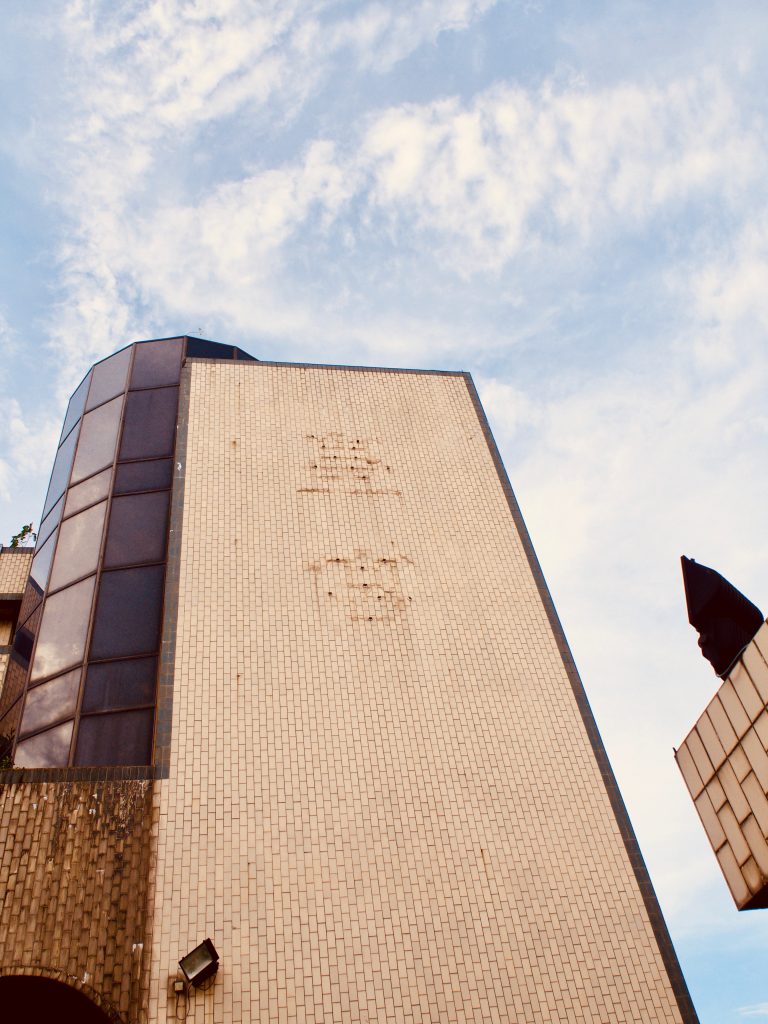
When we arrived, it was already afternoon. I was greeted by a most out- of-place but nevertheless marvellous PoMo influenced homogenous tiled building. Behind that grand entrance was an airy factory and next to it was the ‘yard’ where marble, granite, sandstone, limestone stacks were stored.
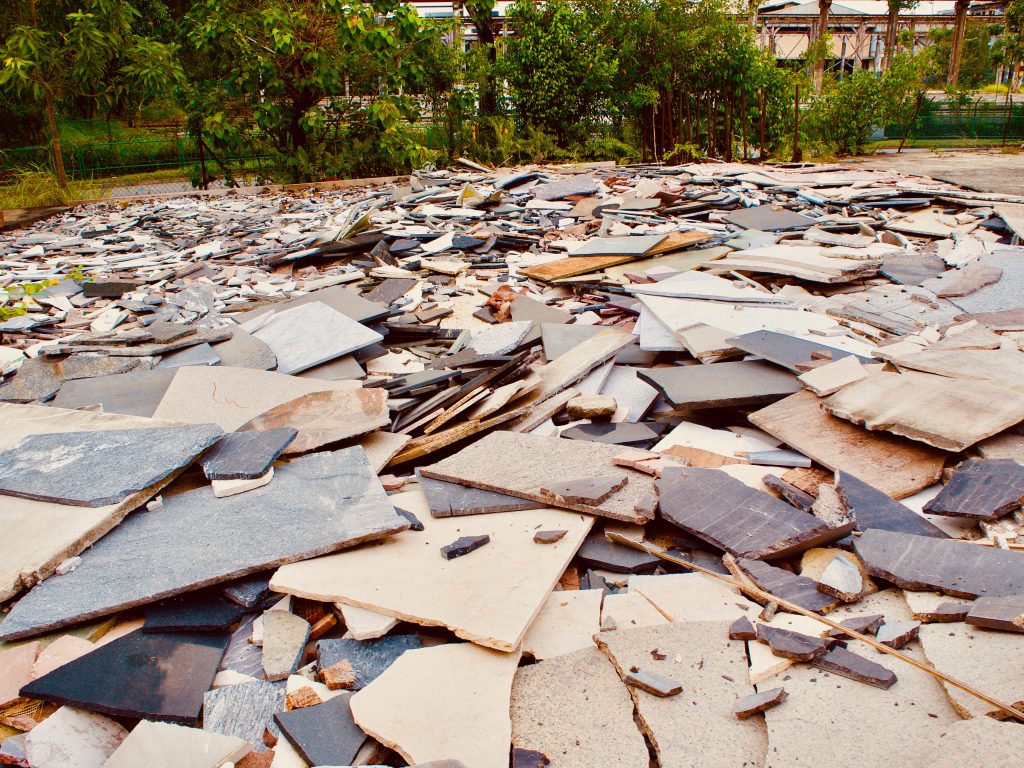
Some muted, some brilliant, some the size of small walls… they sat gleaming in the Singapore heat. Like a proud parent, K patiently initiated me into his trade and toil for the past 3 decades. (Remember, marble for the kitchen tabletopat your own risk) And when we reached the furthest end of the yard, a sprawl of shattered stones, the size of a large pond, came into sight.
Curtain call comes for this four decade old stone factory
With them, K’s voice took on a tone of resignation. This yard, he explained, was in the middle of a handover back to public hands (expired lease) and the management has made the choice to shut its doors after relinquishing the site. With this, the curtains will fall on a company that spent four decades outfitting buildings as iconic as The Colonnade by Paul Rudolph. In a rush to adhere to handover requirements, slabs deemed unfit for moving are being smashed for easy disposal.
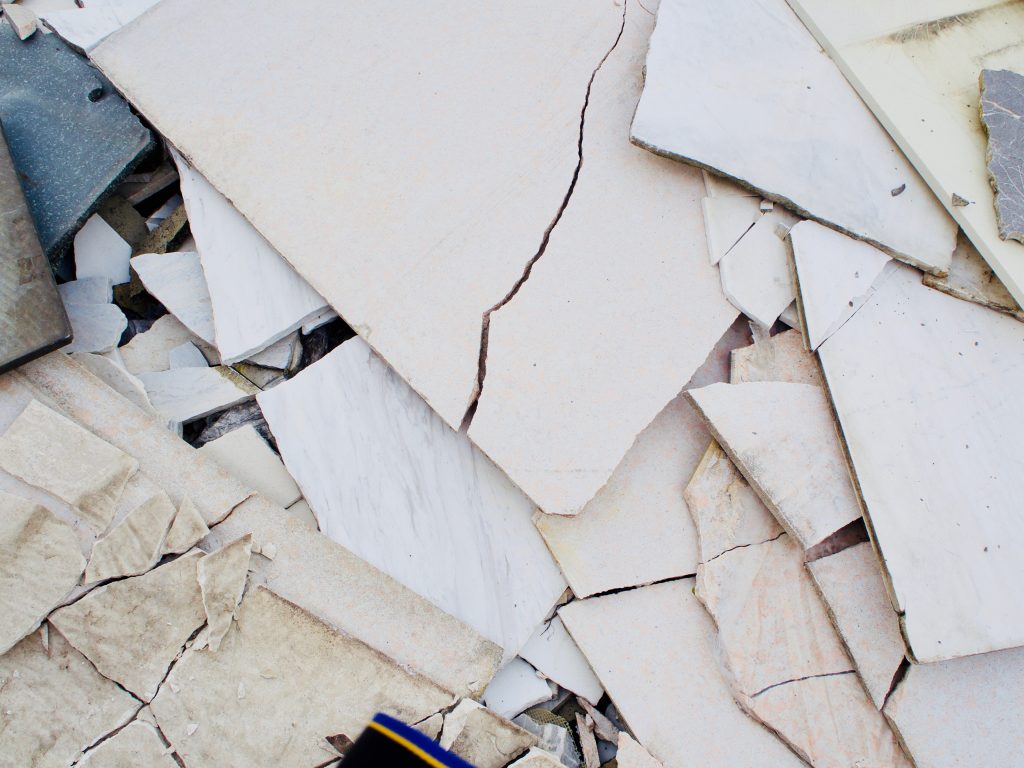
Laying amidst them were Calacatta, Volakas (like below) and an endless myriad slabs from lands far and near. K said he had to stop doing the mental sums regarding the worth of this growing pile because it was too painful to take in. We stepped right onto the pile and he picked out individual pieces to show me their lustre and quality.
Shattered stones that could have found another life if time, logistics, coordination and divine intervention permitted…K was desperate enough to ask a nature reserve nearby if they had any use for the stones…I never expected to see something as ageless as stone discarded like cardboard or food waste. Walking on them was even more surreal an experience. The stone galleries in other tile companies are accessible only upon request. Each day, the pile grows larger and larger as more discarded stones are added.
Handing over a site as big and as old as this is certainly a huge responsibility. I can understand K’s position. You get taxed with a million decisions, a thousand loose ends and become eventually so detached that you have no time to grieve until all’s gone. At least, he was seasoned enough to not reach that point. Harboured in his voice was plenty of pride and emotion for a place that had nurtured him in his youth.
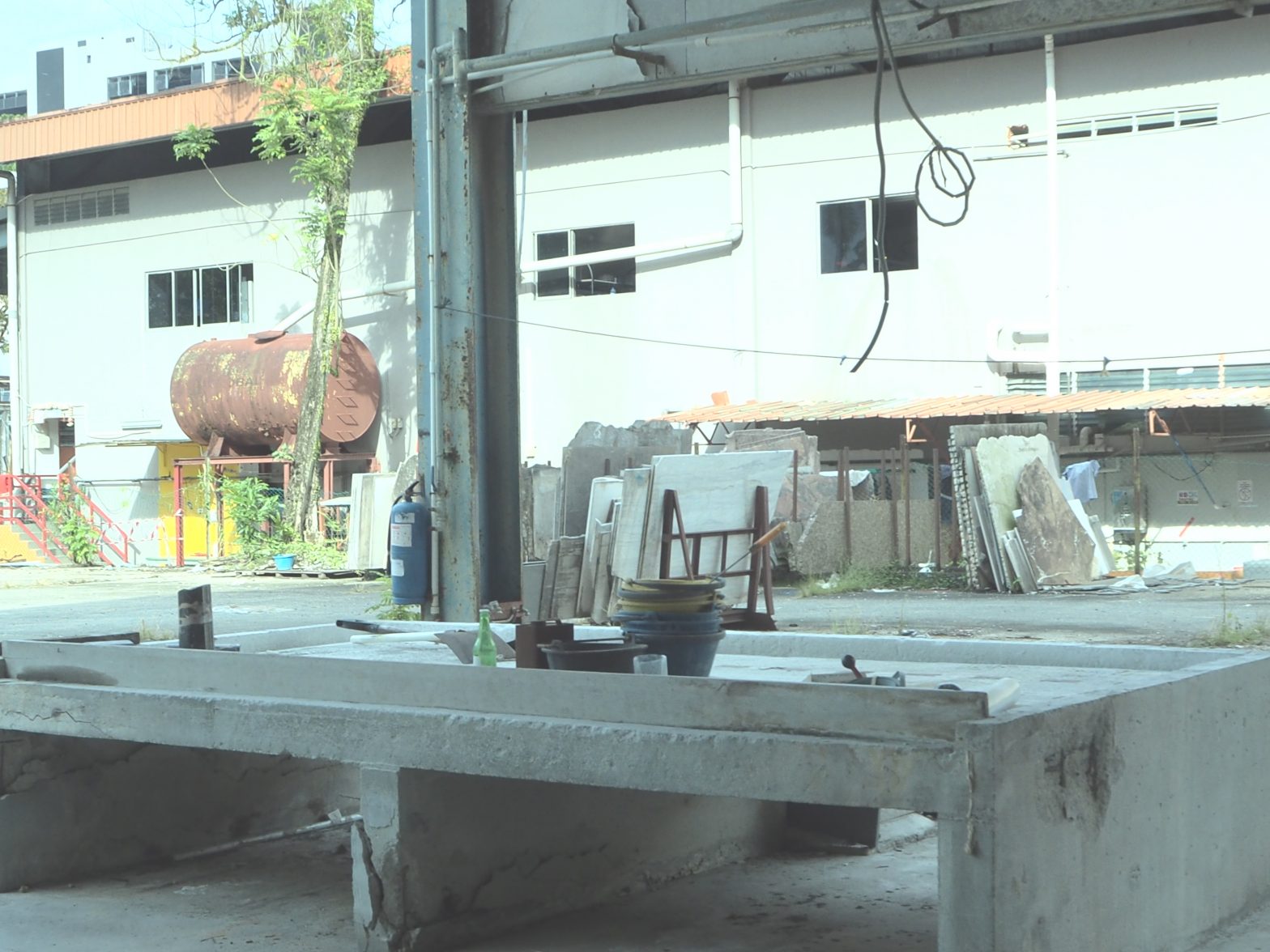
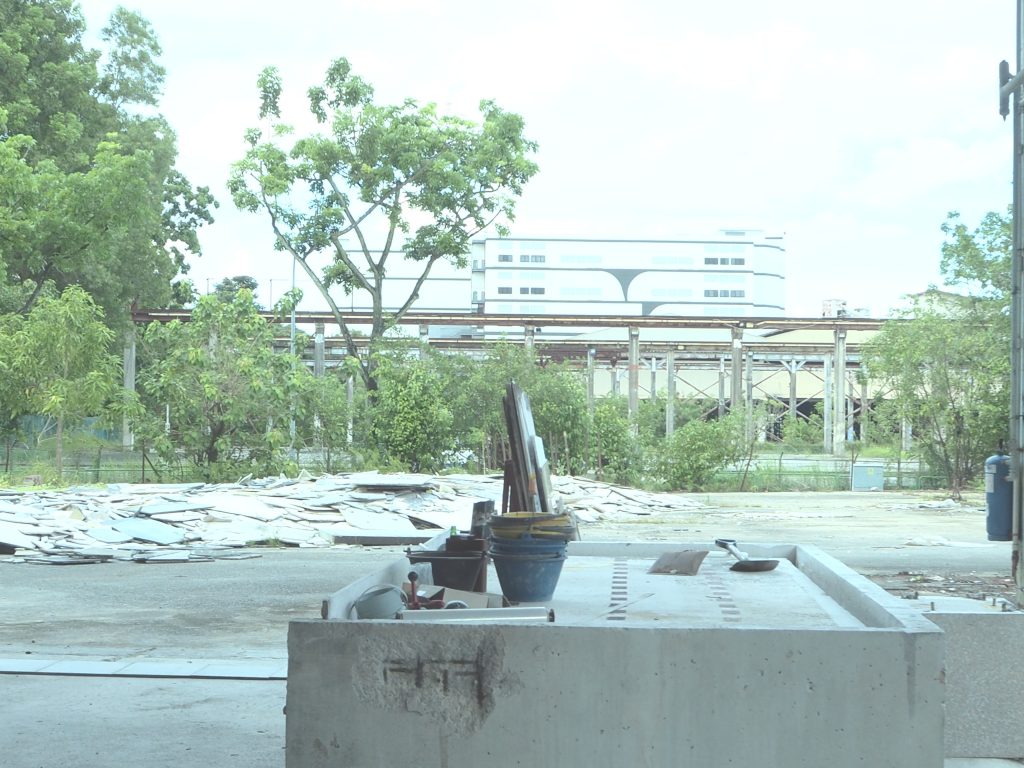
The stone sprawl lies behind from another angle. In the foreground is a stone polishing table made of concrete. Unlike tiles, stones are first selected as in slab form, then cut to size and then processed (honed, flamed, sandblasted etc).
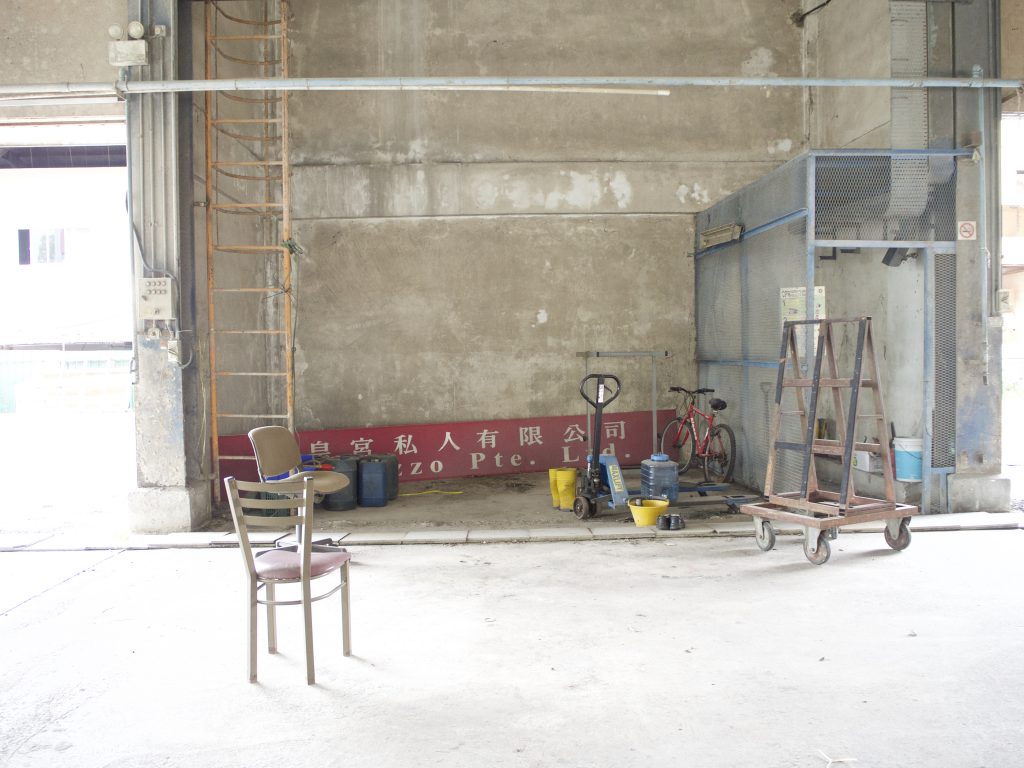
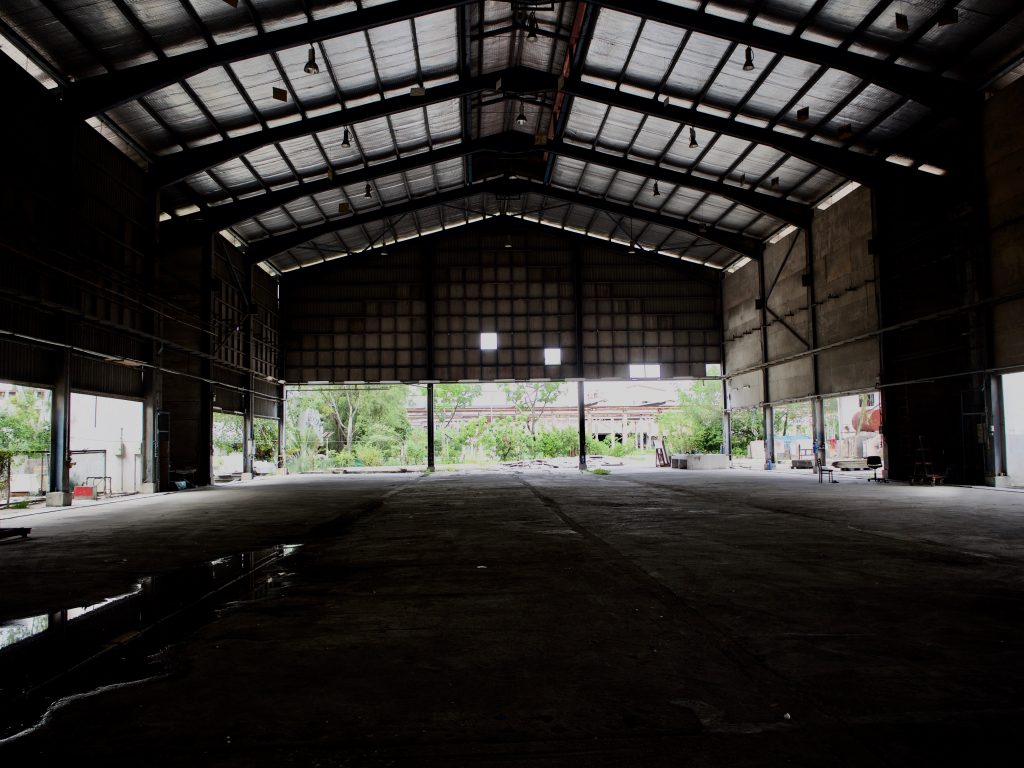
We walked around the yard, through its factory building, feeling the wind tease the vast emptiness. Where once, the walls reverberated with the whirring and bustling of stone cutting, sanding and polishing, they now echo occasional sounds of industry from neighbouring buildings. Lurking in discreet corners are desolate pin-ups of Bollywood sirens, the only hints of human presence that persistently linger on.
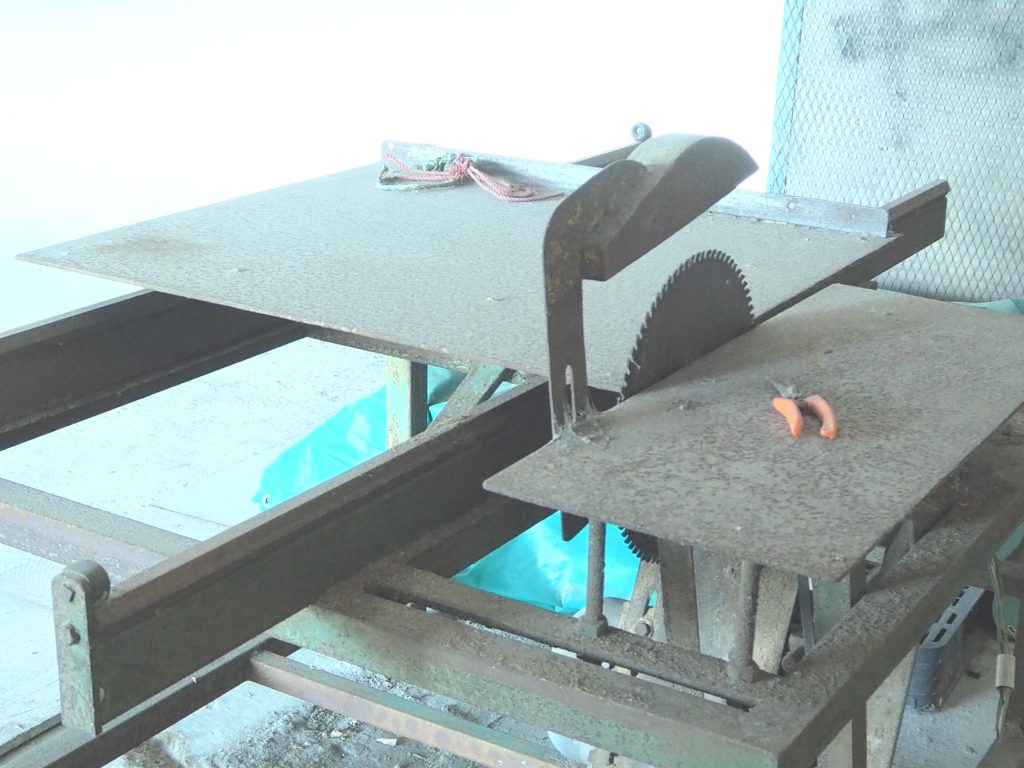
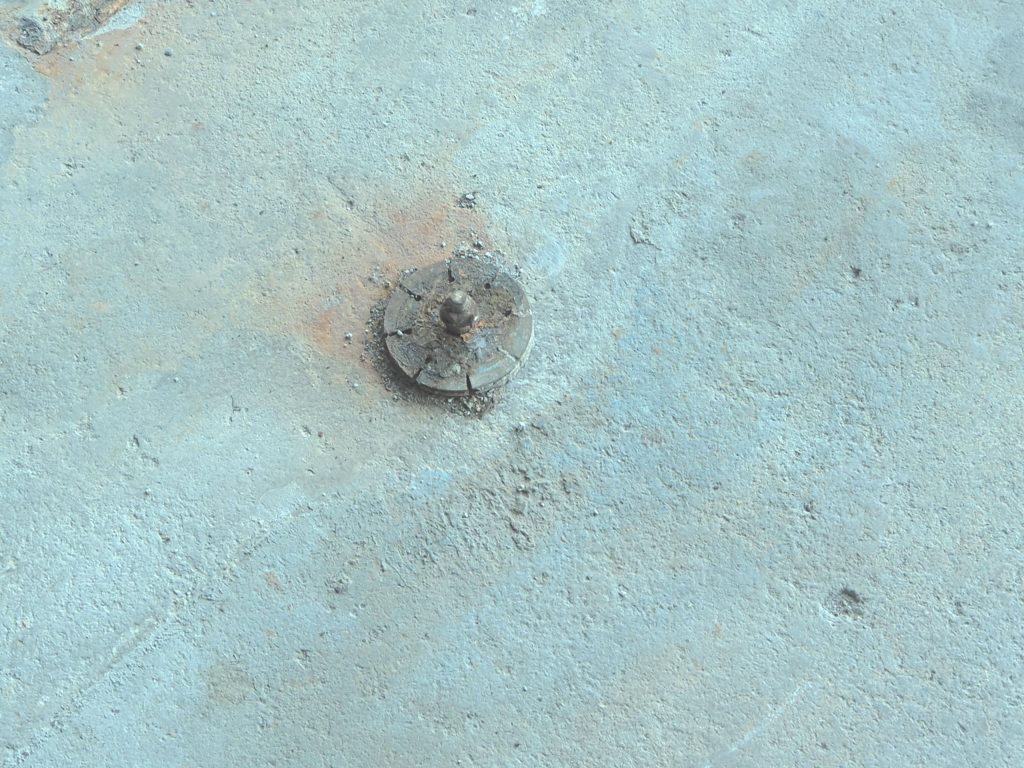
A cutter that was used to cut plywood pieces for the packing of the stone pieces.Embedded throughout the factory floor are little knobs like this to hold machinery in place. K explained that this is an industry in decline. To store stock locally, cut and polish them here is extra cost that can be offloaded to foreign exporters.
K asked me if I wanted to take a look at their office building (a tile-clad modernist eye-catching fella). Why, yes please. Like a freshly-exorcised-ghost-looking-for-suitable-real-estate, I simply cannot resist old buildings, especially vacant ones such as this. Emanating quiet poignance, you can almost hear it whisper its secrets in the solitude. I asked K if he could share with me the stories behind this yard before the tides of pragmatism sweep in to claim yet another time-honoured trade and old-school-tile-clad building in the shifting sands of Singapore’s urban renewal.
And so he did.
Location: Northern Singapore Time: Dec 30 2020, 1500 hrs Gear: OM-D E-M10 Mark II
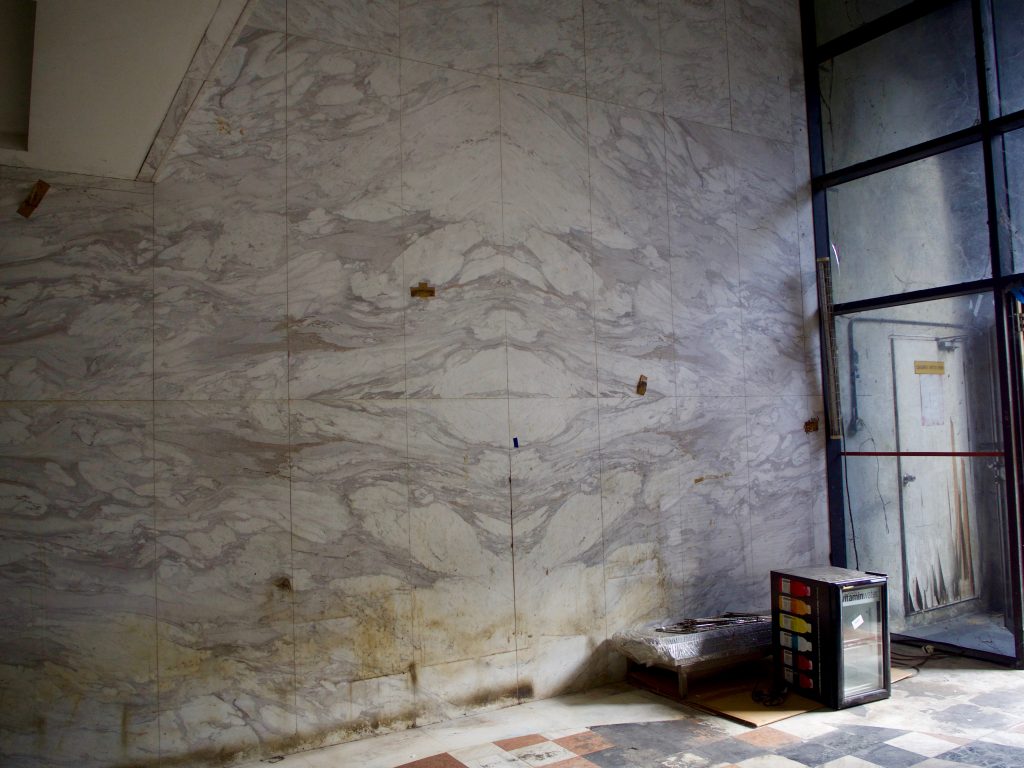
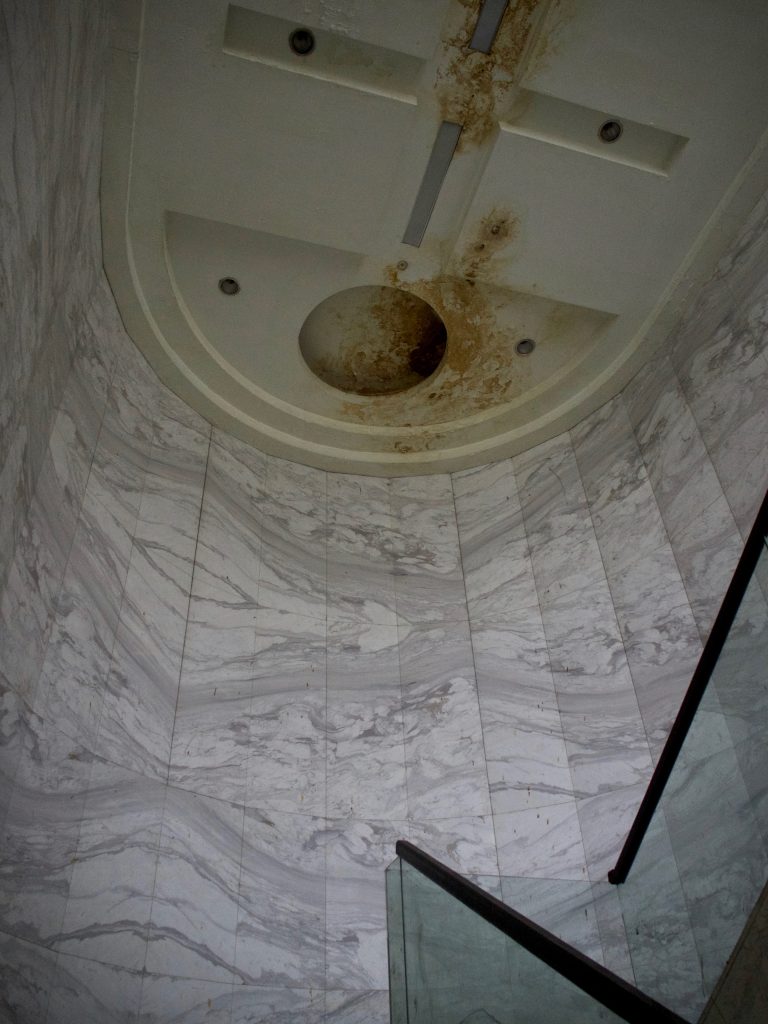
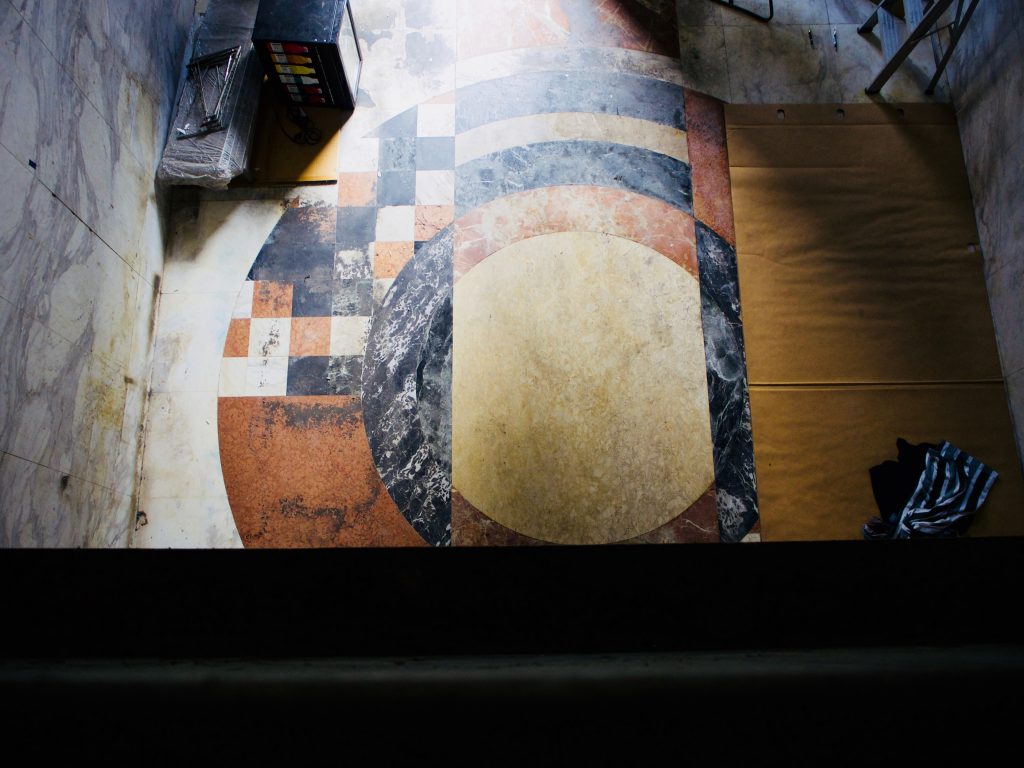
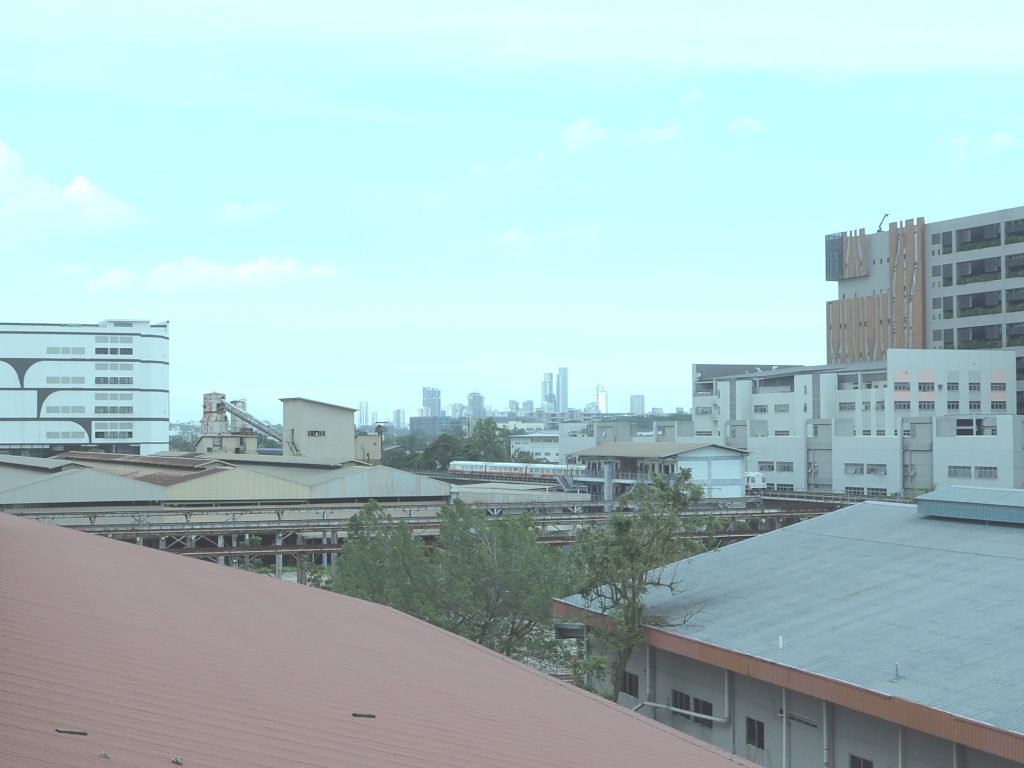
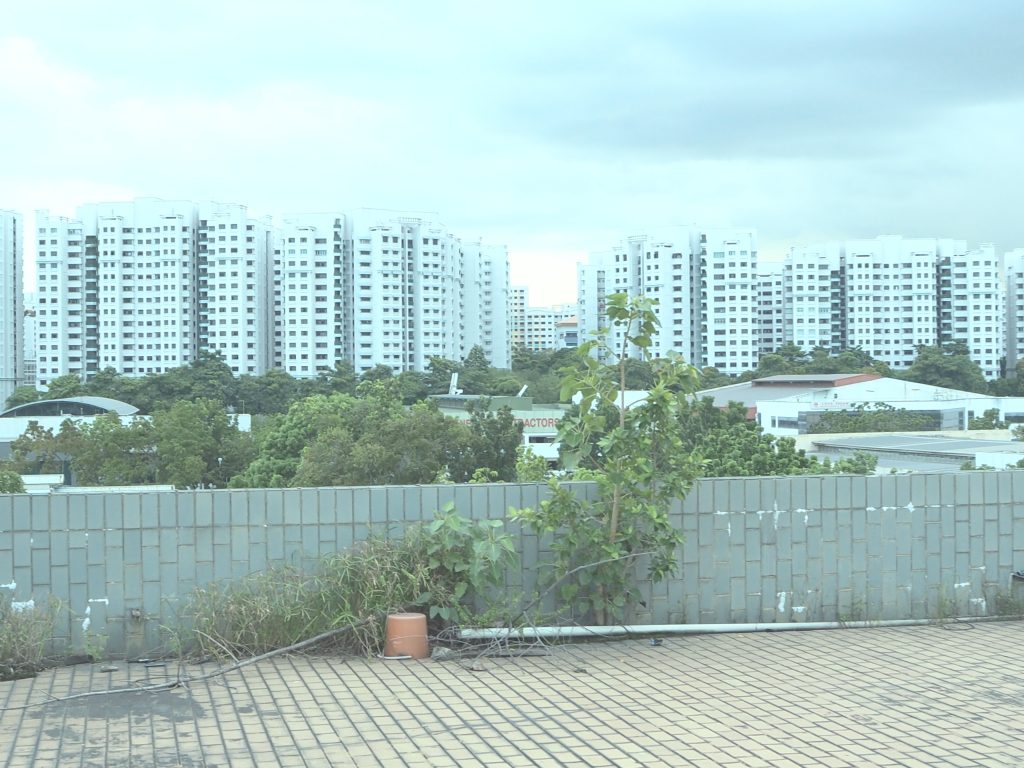
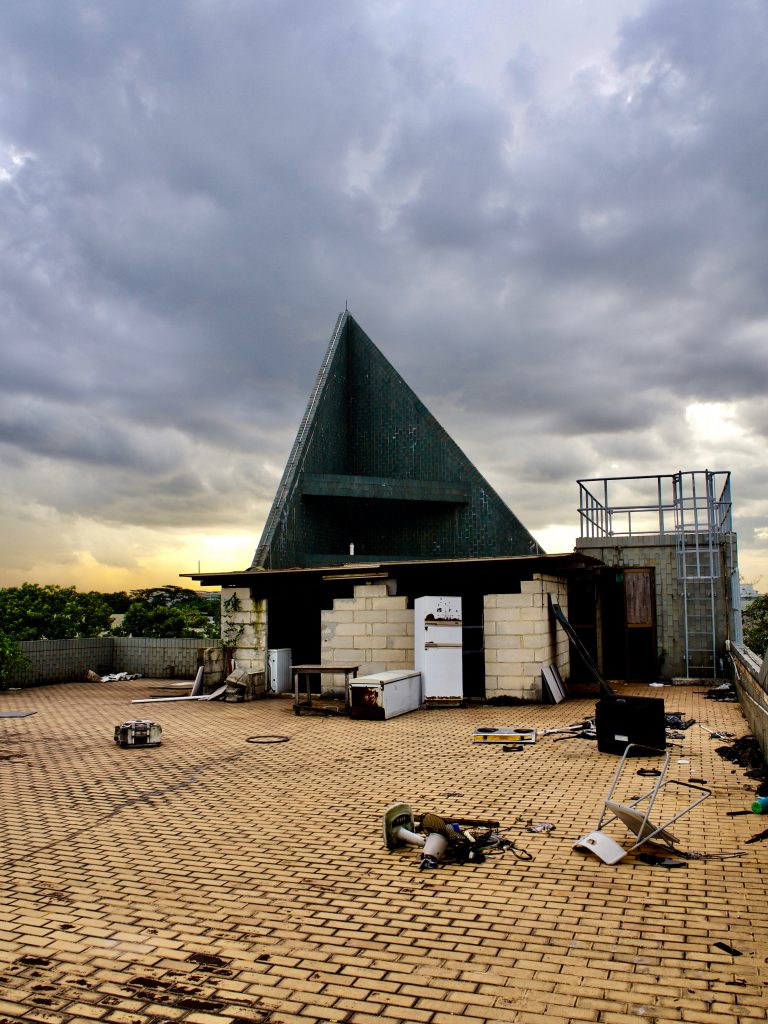
The entire front facade to its 4 storey building (Modernist with subtle PoMo influences; C & C Chartered Architects, interior design by Alice Lam), is clad with 4 by 8 homogenous tiles typical of buildings in the 80s like the old movie theater at Queenstown. You can be sure that they won’t ever tile architectural facades like this again because of the labour (and therefore cost) intensive nature of such designs in construction. Sides, can we ever find tilers skilled enough to do this these days?The interior walls of the building’s foyer and staircase, yes the entire 4 storeys, are fitted entirely in Volakas marble from Greece. According to K, the interior decor was conceptualised based on the name of the company which … means palatial is the mood of the day. Apparently they didn’t really use the building all that much anyway (very telling of the economic climate of the 80s). It’s a pity because where else can you find a marble wall that looks like one of Rorschach’s inkblots? I would have liked to lay there on a therapy couch right below and meditate on my relationship with Freud all day.A tonne of work must have gone into the dry laying process which is a method of arranging every unique marble slab in perfect synchrony to get this up. Unlike tiles, stones come in 15 to 20cm thickness minimum.The flooring from threshold to foyer, another of my favourites, is made of polished marble of a brown, tan and black palette. Here you see the stones cut to precision to form concentric circular patterns. Stone masonry, like tiling, requires skill, usually honed over decades, handed down over generations. As the industry slips into slumber, I wonder who is this island’s last homegrown stone cutter, polisher and layer? K says the 90s were the heyday of the industry, when our granite quarries were still in operation.We are here on the rooftop. Johor Bahru is visible yonder distance, like The Emerald City of OZ, and so are the Mass Rapid Transit train tracks that we were just in time to catch a train running on. Their sharp triangular roof, he says, visible from the train, is the landmark of this industrial town. Many would use it as a reference for bearings.To its back, the yard faces a Housing Development Board estate. Very soon, those flats will no longer look over an industrial estate but an “eco-district”.Sunset in the distance and likewise on the glory days of the local stone industry. Sunrise likely began perhaps 3 centuries ago in the 1800s when they began excavating for granite in Singapore. K potters around with random bits and pieces, gives me advice on my homogenous tile selections before we navigate our way back down in the evening light. Dream well, little stone yard, (spare some room too for the sad ghosties with nowhere to go) and thank you K, for your generous spirit and heart.
Meanwhile we have all the sprawling-dystopic-underground-warehouses in the world to look forward to.